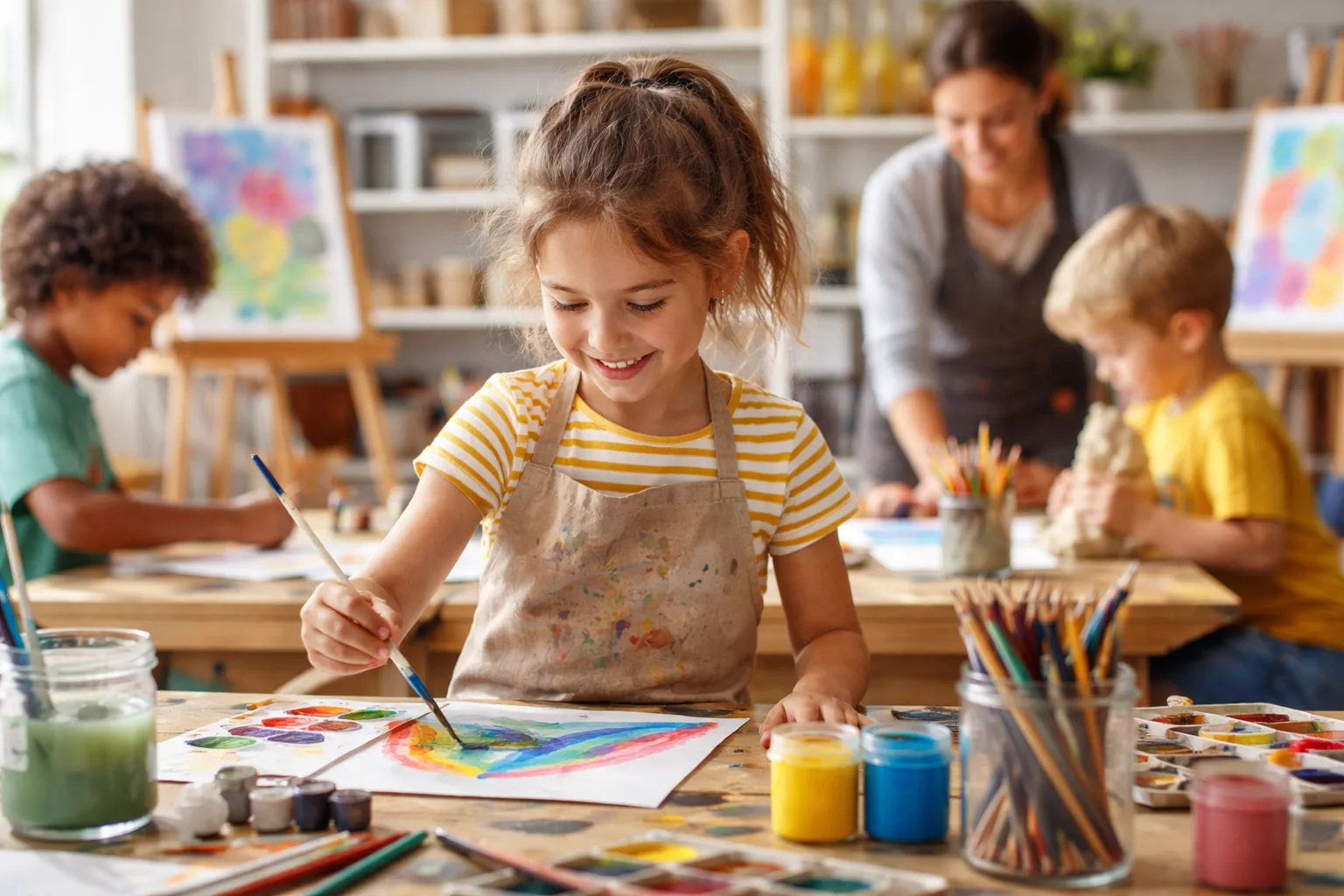
Children learn, grow, and understand the world not only through language and movement, but also through creativity. At Art Center El Paso, the power of imagination becomes a bridge that supports emotional maturity, cognitive skills, and social confidence. Enrolling children in art classes for kids is more than a fun activity—it is a meaningful investment in their growth and their ability to express themselves in healthy, fulfilling ways.
Early artistic experiences shape how young minds interpret ideas, solve problems, and communicate feelings. Through drawing, painting, sculpting, and exploring various materials, kids gain tools that enrich both academic learning and personal well-being. In fact, creativity serves as a developmental foundation that encourages curiosity, resilience, and deeper engagement with the world around them.
The Role of Artistic Exploration in creative development
One of the most important stages in childhood is the growth of imagination and self-expression. Participation in creative development activities allows children to explore their environment in a way that stimulates curiosity and problem-solving.
Art opens a window into how kids think. When a child paints a sky purple or draws a dog with wings, they are not just experimenting—they are expressing personal interpretations and exploring possibilities beyond reality.
Benefits of imaginative exploration include:
-
Building confidence in personal decision-making
-
Strengthening visual memory and attention to detail
-
Encouraging experimentation without fear of failure
-
Learning to process emotions through symbolic representation
Through these experiences, children begin to understand that ideas can take many forms and that creativity is a powerful tool they carry with them throughout life.
How Hands-On Projects Influence children’s art Skills
Engaging in children’s art projects allows kids to develop fine motor abilities while simultaneously nurturing expressive skills. Short brush strokes, cutting shapes, rolling clay, or arranging collage materials strengthen coordination and build muscle control necessary for writing, typing, and daily tasks.
But beyond physical development, artistic projects cultivate emotional understanding. When children choose colors or build shapes, they communicate thoughts they may not yet have the vocabulary to express. This visual language becomes essential for emotional literacy, helping them identify and manage their feelings with greater maturity.
Hands-on creativity fosters:
-
Concentration and patience during longer tasks
-
Problem-solving through trial and error
-
Personal responsibility when caring for materials
-
Pride in completed projects, encouraging perseverance
Every artwork becomes a milestone of growth—a reflection of what a child is learning internally and externally.
Understanding the Long-Term Value of art education benefits
Structured creative environments offer significant art education benefits that extend far beyond the classroom. Artistic learning supports cognitive development, academic performance, and interpersonal skills.
Key advantages include:
-
Strengthening communication abilities: Art helps children describe, interpret, and analyze visual information.
-
Boosting academic performance: Studies show strong connections between artistic learning and improved reading comprehension, math reasoning, and critical thinking.
-
Developing empathy: Art teaches kids to see from different perspectives, an essential social skill.
-
Encouraging curiosity: Creative exploration inspires children to ask questions and seek answers in innovative ways.
Art education provides a solid foundation not only for creative careers, but also for sciences, engineering, and technology, because the ability to imagine solutions is universal across all disciplines.
Inspiring Confidence Through kids’ creativity
When children are encouraged to explore kids’ creativity, they gain confidence in their ability to think independently. Creativity teaches them that their ideas matter and that expression is valuable. This empowerment becomes essential during childhood, when self-esteem and identity begin to take shape.
Art classes provide a safe, encouraging space with no “wrong” answers. In contrast to academic subjects that often rely on grades and accuracy, creativity celebrates uniqueness. Children learn to trust themselves, express emotions constructively, and communicate visually in ways that strengthen emotional intelligence.
Creative empowerment contributes to:
-
Independence in decision-making
-
Reduced anxiety through expressive outlets
-
Enhanced communication between children and adults
-
Stronger resilience when faced with challenges
When children know their creativity is welcomed and celebrated, they feel safer expressing who they truly are.

Why Collaborative Projects Strengthen youth art Culture
Community-oriented programs and group projects promoting youth art help children build social awareness and teamwork. These collaborative opportunities allow kids to learn how to listen, share space, and contribute to a common vision.
Children working together on murals, group sculptures, or themed projects experience a sense of belonging. They discover that their ideas can connect with others and that creativity becomes more powerful when shared.
Youth-centered creative communities:
-
Foster positive peer interactions
-
Encourage leadership and cooperative skills
-
Strengthen cultural awareness and identity
-
Build supportive environments where every child feels included
These shared experiences contribute to a healthy creative culture in El Paso—one that reflects diversity, imagination, and community pride.
Why Parents Choose Art Center El Paso for Child Development
Parents seeking meaningful, growth-focused activities often choose Art Center El Paso for its structured, nurturing, and inspiring creative programs. Each class is designed to meet the developmental needs of children while fostering joy and curiosity.
The center offers:
-
Age-appropriate classes with professional instructors
-
Hands-on projects that stimulate imagination
-
A safe space for self-expression and emotional exploration
-
Opportunities for collaboration and skill-building
-
Exposure to multiple forms of art, from drawing to mixed media
By participating, children not only strengthen creative skills but also build confidence, emotional awareness, and long-lasting artistic appreciation.
Conclusion
Art plays a vital role in shaping how children see themselves, express their emotions, and interpret the world. Through structured, supportive programs, young learners gain not only creative abilities but also emotional resilience, cognitive strength, and a sense of belonging. When children engage deeply with artistic experiences, their confidence grows, their curiosity expands, and their capacity for personal expression becomes a lifelong gift.